

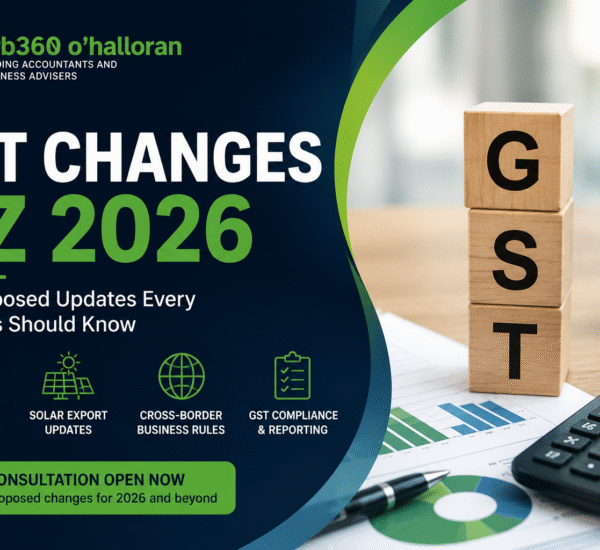
GST changes NZ 2026 may introduce updates across accommodation, solar exports, cross-border business activity and GST compliance requirements. Businesses can use this consultation period to understand potential impacts and prepare for future changes.
IRD GST Changes in New Zealand 2026: What Businesses Need to Know Before New Rules Arrive
Goods and Services Tax (GST) remains one of New Zealand’s strongest tax frameworks. However, evolving business practices and administration requirements have led Inland Revenue to propose several targeted updates.
These proposals remain under consultation and businesses do not need immediate changes today.
GST Changes NZ 2026: Why Inland Revenue Is Reviewing GST Rules
GST works effectively overall, but officials identified areas where rules create uncertainty and unnecessary compliance costs.
- Improve tax certainty
- Reduce compliance burden
- Modernise administration
- Increase efficiency
External Resource: IRD Tax Policy
Preparing for GST changes NZ 2026 does not mean changing tax treatment immediately. It means reviewing existing reporting processes and understanding where future requirements may influence operations and compliance.
1. Accommodation GST Rules Could Become Clearer
Accommodation treatment remains one of the more complex GST areas.
Current categories include:
- Residential dwellings
- Commercial accommodation
- Student accommodation
- Transitional housing
Potential Changes
- Transitional housing may become GST exempt
- Student accommodation may become taxable
- Clearer classification rules
Internal Link: Tax Services
2. Solar Electricity GST May Become Simpler
Businesses and GST-registered individuals exporting surplus residential electricity may see zero-rated treatment introduced.
Potential Benefits
- Reduced reporting complexity
- Lower compliance risk
- Simpler administration
External Resource: EECA
3. Cross-Border GST Rules Could Improve
International businesses sometimes face GST registration obligations even with limited local activity.
Proposed updates aim to:
- Reduce unnecessary registrations
- Improve cross-border certainty
- Lower administration costs
4. GST Error Corrections Could Become Easier
Businesses frequently identify GST mistakes after filing.
Potential changes include:
- Simplified correction process
- Aligned refund periods
- Improved administration
What Businesses Should Do Today
- Review GST reporting
- Assess exposure
- Update internal controls
- Monitor IRD announcements
- Seek tax advice early
Why Proactive GST Planning Creates Long-Term Business Value
Businesses that monitor tax consultations early typically reduce compliance costs and adapt more efficiently.
Tax preparation works best as an ongoing process—not a filing event.
Key Considerations for Businesses Moving Forward
Although these proposals are still under consultation, businesses can benefit from understanding where potential GST changes may intersect with their current operations.
Reviewing internal processes, maintaining accurate reporting practices and monitoring future Inland Revenue announcements may help reduce compliance complexity over time.
Businesses operating in accommodation, renewable energy, international services and property sectors may find early planning particularly valuable if changes progress into legislation.
Preparation does not mean changing current tax treatment today—it means staying informed and building flexibility into future business decisions.
How These Proposed GST Changes May Affect Business Decision-Making
Although the proposed changes are still under consultation, they highlight broader trends in tax administration that businesses should continue monitoring.
Across industries, Inland Revenue’s direction appears focused on reducing unnecessary complexity while improving consistency and reporting accuracy.
For businesses, this means tax processes may increasingly become operational considerations rather than year-end accounting activities.
Review Existing Business Activities
Businesses should understand where GST currently applies across products, services, accommodation arrangements and cross-border activities. Identifying dependencies early can reduce adjustment costs later.
Evaluate Internal Reporting Systems
GST reporting processes should be periodically reviewed to ensure transaction treatment remains consistent and documentation supports current positions.
Areas commonly reviewed include:
- Invoice and billing processes
- Supplier and customer classification
- Internal accounting controls
- Record retention procedures
- Technology and reporting workflows
Monitor Industry-Specific Developments
Different sectors may experience these proposals differently.
- Accommodation and property businesses may need to reassess GST treatment.
- Renewable energy users may evaluate future reporting obligations.
- International service providers may monitor cross-border registration requirements.
- Professional service firms may review internal compliance frameworks.
Understanding how policy direction aligns with business operations can help organisations make informed decisions over time.
Build Flexibility Into Future Planning
Regulatory updates do not always require immediate operational change. However, businesses that maintain flexible systems and strong reporting processes are often better positioned to adapt efficiently when requirements evolve.
Maintaining awareness of consultation developments can support smoother transitions and reduce future compliance pressure.
Frequently Asked Questions
How GST Changes NZ 2026 Could Affect Different Industries
No.
Should businesses update GST returns now?
No immediate action is required.
Which industries should monitor this?
- Property
- Accommodation
- Renewable energy
- Professional services
Related Articles
GST Changes NZ 2026: Key Takeaways for Businesses
GST updates may not create immediate obligations—but understanding direction early helps businesses stay prepared.



 09 377 4238
 Level 2, 6 Kingdon Street, Newmarket, Auckland
 help@orb360.co.nz