
Published: June 2026 | Last Updated: June 2026
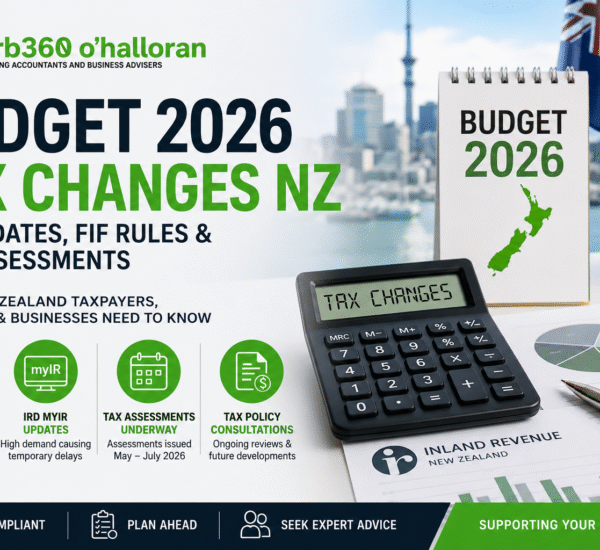
Budget 2026 Tax Changes NZ introduce several important updates for individuals, investors, business owners, and taxpayers across New Zealand. From changes to offshore investment tax rules to ongoing Inland Revenue assessments and new tax policy consultations, understanding these developments can help taxpayers remain compliant and make informed financial decisions.
One of the most significant announcements is the increase in the Foreign Investment Fund (FIF) exemption threshold, which could reduce compliance costs for thousands of New Zealand investors.
The most important tax updates include:
These updates affect investors, employees, sole traders, contractors, landlords, and businesses throughout New Zealand.
The Government’s latest Budget introduces several measures designed to simplify tax administration and reduce compliance burdens.
While some changes primarily affect investors, others may impact businesses and individual taxpayers through improved reporting and administrative processes.
One of the most widely discussed announcements involves New Zealand’s Foreign Investment Fund (FIF) rules.
The FIF de minimis threshold has increased from:
This change means many investors with overseas shares and investments may no longer be required to apply complex FIF calculation methods.
The previous threshold often created administrative obligations for investors with relatively modest offshore portfolios.
The Government’s objective is to:
For investors below the new threshold, taxation may generally be based on realised returns rather than annual deemed income calculations.
The changes may benefit:
Businesses and investors should review their investment structures and reporting obligations to determine whether the new threshold affects their circumstances.
Related Resource:
Accounting & Reporting Services New Zealand
Official Information:
New Zealand Tax Policy Information
The increase in the FIF threshold represents one of the most significant compliance simplification measures announced in Budget 2026.
Taxpayers with offshore investments should consider reviewing:
Seeking professional advice may help investors understand how the updated rules apply to their individual circumstances.
Frequently Asked Questions About Tax and Accounting Services
Inland Revenue is currently processing annual tax assessments for millions of New Zealand taxpayers.
As taxpayers log in to review refunds, tax balances, and annual assessments, the myIR platform has experienced periods of exceptionally high demand.
Recent increases in website traffic have been driven by taxpayers attempting to:
Temporary delays do not indicate a problem with an individual’s tax account. They are generally caused by peak demand periods.
Official Resource:
If myIR is unavailable or slow:
Inland Revenue is currently issuing annual tax assessments to eligible taxpayers across New Zealand.
These assessments determine whether:
Most assessments are expected to be processed between:
Not every taxpayer will receive an assessment at the same time.
If your assessment appears delayed, it may simply be awaiting information from employers, banks, investment providers, or government agencies.
New Zealand’s standard PAYE tax brackets remain unchanged under the latest Budget announcements.
| Taxable Income | Tax Rate |
|---|---|
| $0 – $15,600 | 10.5% |
| $15,601 – $53,500 | 17.5% |
| $53,501 – $78,100 | 30% |
| $78,101 – $180,000 | 33% |
| Over $180,000 | 39% |
Understanding tax rates can help taxpayers:
In addition to Budget 2026 measures, Inland Revenue continues to consult on several tax policy issues.
The Minister of Revenue has introduced additional legislation that includes tax administration updates and compliance improvements.
Businesses and investors should continue monitoring developments as consultation outcomes may influence future tax obligations.
Official Resource:
New Zealand Tax Policy Consultation Hub
Investors should assess whether the updated FIF threshold affects their reporting obligations.
Taxpayers should regularly check myIR and review any correspondence from Inland Revenue.
Good record keeping remains essential for tax compliance, GST reporting, and financial planning.
Complex tax matters often benefit from professional review.
The latest tax changes may affect your investments, tax obligations, financial reporting requirements, and overall compliance position.
DFK Orb360 supports individuals, investors, contractors, and businesses with:
Whether you’re reviewing your annual tax assessment or assessing the impact of the new FIF rules, professional guidance can help ensure you remain compliant and informed.
The Budget 2026 changes increase the Foreign Investment Fund exemption threshold from $50,000 to $100,000.
Heavy demand from taxpayers checking annual assessments, refunds, and account information has contributed to temporary delays.
Most end-of-year assessments are expected to be issued between late May and July 2026.
No significant changes have been announced to New Zealand’s standard personal income tax rates.
Anyone with overseas investments should review the updated threshold and determine whether the changes affect their reporting obligations.
Budget 2026 Tax Changes NZ introduce important developments for investors, businesses, and individual taxpayers. The increase in the FIF threshold represents a significant simplification measure, while Inland Revenue’s ongoing assessment programme highlights the importance of accurate tax reporting.
As tax rules continue to evolve, staying informed and obtaining professional advice where necessary can help reduce compliance risks and support better financial decision-making.
For personalised tax, accounting, and business advisory support, visit DFK Orb360.
Official information regarding New Zealand income tax rates can also be found on the New Zealand Government website:
New Zealand Government Tax Information


Copyright © 2025 Marketing Transformers | All Rights Reserved.


 09 377 4238
 Level 2, 6 Kingdon Street, Newmarket, Auckland
 help@orb360.co.nz