
Last Updated: July 2026
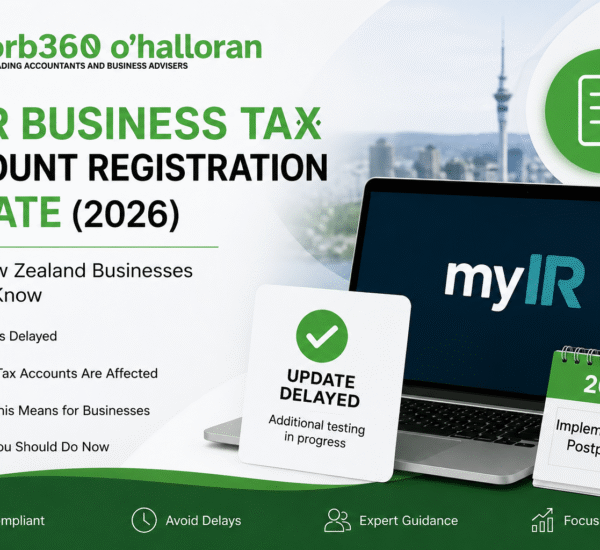
Inland Revenue (IRD) has announced that its planned changes to registering certain business tax accounts in myIR have been postponed while additional testing is completed. Businesses and tax agents should continue using the current registration process until IRD confirms a new implementation date. Although no immediate action is required, staying informed about upcoming changes will help businesses maintain compliance and avoid unnecessary delays when registering new tax accounts.
The myIR Business Tax Account Registration update is part of Inland Revenue’s ongoing effort to modernise tax administration in New Zealand. While the proposed changes have been delayed, understanding the myIR Business Tax Account Registration process helps businesses and tax professionals prepare for future improvements while remaining compliant with current Inland Revenue requirements.
Earlier in 2026, Inland Revenue announced plans to simplify how tax agents register new business tax accounts through myIR. The proposed update would move several tax account registrations from the existing client menu into the Intermediary Centre → Client Registration section.
However, Inland Revenue has since confirmed that these changes have been delayed while further testing is carried out. As a result, businesses and tax professionals should continue using the current registration process until a revised implementation date is announced.
The delay does not change existing tax obligations. It simply means the current myIR registration process remains in place until Inland Revenue completes additional system testing.
The postponed update relates to the way tax agents register specific business tax accounts within myIR.
The affected account types include:
Rather than using the existing client-level registration menu, these accounts were expected to be registered through the Intermediary Centre. Since the rollout has been delayed, no changes are required at this time.
Although the current myIR Business Tax Account Registration changes have been postponed, businesses should review their tax registrations regularly, maintain accurate records, and monitor Inland Revenue announcements. Being prepared for future updates will help businesses adapt quickly when the revised registration process is introduced.
According to Inland Revenue, the planned update has been postponed to allow additional system testing before implementation.
By delaying the rollout, IRD aims to ensure the updated registration process works smoothly for tax agents, accountants, bookkeepers, and businesses that rely on myIR to manage tax accounts.
This approach helps reduce the risk of registration issues, system errors, or unnecessary disruption during the transition.
Although the changes are primarily aimed at tax professionals, they are relevant to many organisations, including:
If your business works with an accountant to manage tax registrations, your adviser will generally handle the updated process once it is introduced.
Businesses planning to register new tax accounts, accountants, bookkeepers, payroll providers, and tax agents should all monitor updates to the myIR Business Tax Account Registration process. Staying informed helps avoid delays and ensures registrations continue to meet Inland Revenue requirements.
For most businesses, the answer is simple—continue using the existing myIR registration process.
There is currently no requirement to change how new tax accounts are registered. However, businesses should remain aware of future Inland Revenue announcements, particularly if they regularly register new GST, employer, or specialist tax accounts.
Administrative updates like this may seem minor, but they can affect how efficiently businesses manage tax registrations and compliance. Working with experienced Chartered Accountants helps ensure registration requirements are completed correctly and any future Inland Revenue changes are implemented smoothly.
Accurate tax account registration is an important part of maintaining business compliance in New Zealand. As Inland Revenue continues modernising myIR, businesses should expect further improvements to digital tax administration over the coming years.
Understanding these changes early helps reduce administrative errors, improve tax compliance, and ensure businesses remain prepared when new registration processes are introduced.
Whether you’re registering a new business, adding tax accounts, or managing Inland Revenue compliance, professional advice can help you avoid costly mistakes and keep your business compliant.
DFK Orb360’s Chartered Accountants assist businesses across New Zealand with myIR registrations, GST, PAYE, FBT, business tax compliance, and ongoing accounting and advisory services.
If you’re unsure how the latest myIR updates affect your business, our team is here to help.
Until Inland Revenue introduces the updated registration system, businesses and tax professionals should continue using the existing myIR Business Tax Account Registration process.
Depending on the type of tax account being registered, users can generally complete registrations through the existing myIR client menu. No changes are currently required, and businesses should continue following Inland Revenue’s existing guidance.
Businesses planning to register new tax accounts should ensure they have:
Although the implementation has been delayed, Inland Revenue intends to simplify how tax agents register certain business tax accounts by moving them into the Intermediary Centre → Client Registration section of myIR.
The objective is to create a more organised registration process by grouping similar tax accounts together, making it easier for accountants, bookkeepers, and tax agents to manage multiple clients.
Once introduced, businesses working with professional advisers are likely to experience a smoother and more consistent registration process.
The ongoing modernisation of myIR is designed to improve the digital experience for businesses and tax professionals by simplifying tax administration, reducing manual processes, and improving overall system efficiency.
For most businesses, the delayed update has very little immediate impact.
However, businesses that regularly register new tax accounts or work with multiple tax types should remain informed because future updates may change administrative processes.
Examples include businesses that:
Understanding future changes early helps reduce delays when new tax registrations become necessary.
Tax agents and Chartered Accountants are expected to benefit the most from the planned improvements.
Managing multiple client registrations can be time-consuming, particularly when different tax accounts follow different registration processes.
By centralising registrations within the Intermediary Centre, Inland Revenue aims to create a more efficient workflow for professionals who manage tax registrations on behalf of businesses.
Whether using the current or future myIR registration process, businesses should avoid common registration mistakes such as:
Correcting registration errors later can delay tax compliance and create unnecessary administrative work.
A manufacturing business expands rapidly and becomes liable for additional tax registrations. Working with Chartered Accountants helps ensure each required tax account is registered correctly without delaying business operations.
A small business hires its first employees and needs to manage employer tax obligations. Understanding the correct registration process ensures PAYE responsibilities are met from the outset.
An investment company establishes a Portfolio Investment Entity (PIE). Accurate registration through myIR helps ensure ongoing compliance with Inland Revenue requirements.
Businesses can minimise future compliance issues by following several best practices:
Although the current update has been postponed, Inland Revenue continues to modernise its digital services.
Businesses should expect further improvements to online tax administration over time, including streamlined registration processes and enhanced functionality within myIR.
Remaining informed and reviewing administrative processes regularly will help businesses adapt quickly when future updates are introduced.
The delayed myIR Business Tax Account Registration update does not require businesses to take immediate action. However, understanding how Inland Revenue’s registration processes are evolving allows businesses to remain compliant and prepared for future digital improvements.
Whether you’re starting a new business, registering for additional tax accounts, or reviewing your Inland Revenue obligations, DFK Orb360’s Chartered Accountants can help ensure your registrations are completed accurately and efficiently.
Our team provides expert advice on GST registration, employer registrations, FBT, PIE, tax compliance, and ongoing business advisory services.
No. Inland Revenue has delayed the planned changes to myIR Business Tax Account Registration. Businesses and tax agents should continue using the existing registration process until IRD announces a new implementation date.
Not immediately. The current update mainly affects the way certain specialist tax accounts are registered by tax agents. Businesses registering for GST should continue following Inland Revenue’s existing registration process unless IRD announces further changes.
The update is most relevant for Chartered Accountants, tax agents, bookkeepers, payroll providers, and businesses that regularly register new Inland Revenue tax accounts through myIR.
Inland Revenue continues to modernise myIR to simplify tax administration, improve the digital experience, reduce manual processing, and make tax account management more efficient for businesses and tax professionals.
Yes. Although the current changes have been postponed, businesses should stay informed about future Inland Revenue announcements and review their tax administration processes regularly to ensure ongoing compliance.
Yes. Many businesses choose to work with Chartered Accountants who can register tax accounts, monitor compliance requirements, prepare tax registrations accurately, and keep businesses informed about future Inland Revenue changes.
The tax accounts required depend on your business activities, employees, industry, and legal structure. Professional tax advice can help determine which Inland Revenue registrations apply to your business.
Incorrect registrations may delay compliance, require amendments, or create unnecessary administrative work. Reviewing your tax obligations before registering helps minimise errors.
myIR Business Tax Account Registration is the process of registering business tax accounts with Inland Revenue through the myIR online portal. Depending on your business activities, registrations may include GST, Employer, FBT, PIE, and other tax accounts.
No. Inland Revenue has postponed the planned changes while additional testing is completed. The existing registration process remains unchanged.
The delayed changes relate to Fringe Benefit Tax (FBT), Portfolio Investment Entity (PIE), Gaming Machine Duty (GMD), and Online Gambling Duty (OGD) registrations managed by tax professionals.
No. Existing registrations remain valid. The update relates to how certain new tax accounts will be registered once the new process is implemented.
Once introduced, the affected tax accounts are expected to be registered through the Intermediary Centre within myIR instead of the current client registration menu.
Businesses should monitor Inland Revenue announcements, review myIR notifications regularly, and work closely with their Chartered Accountant or tax adviser.
Yes. DFK Orb360 helps businesses register tax accounts, manage Inland Revenue compliance, review business tax obligations, and navigate changes to myIR processes.
Keeping up with Inland Revenue updates can be challenging, especially as tax administration continues to evolve. Whether you’re starting a new business, registering additional tax accounts, or reviewing your compliance obligations, having the right advice can save time and reduce the risk of costly mistakes.
DFK Orb360’s Chartered Accountants help businesses across New Zealand with business registrations, GST, PAYE, FBT, myIR account management, tax compliance, and strategic business advisory services.
Our proactive approach ensures your business stays compliant with current Inland Revenue requirements while preparing for future regulatory and digital changes.
💬 Chat with DFK Orb360 on WhatsApp: +64 22 028 4117
The postponed myIR Business Tax Account Registration update provides businesses and tax professionals with additional time before Inland Revenue introduces its revised registration process. While no immediate action is required, understanding upcoming changes helps businesses remain compliant and prepared for future digital improvements.
As myIR continues to evolve, maintaining accurate tax records, monitoring Inland Revenue updates, and seeking professional advice where needed will help ensure your business remains compliant, efficient, and well-positioned for growth.
Last Reviewed: July 2026
Disclaimer: This article is intended for general information only and should not be relied upon as accounting, taxation, or legal advice. Every business has different circumstances. For advice specific to your business, consult a qualified Chartered Accountant.
For most businesses, the delayed myIR Business Tax Account Registration update will have little immediate impact because the existing registration process remains unchanged. Businesses can continue registering tax accounts through the current myIR system until Inland Revenue announces a new implementation date.
No. If your business needs to register for GST, Employer, FBT, or another tax account, you should continue using the current registration process. Delaying a required registration could affect your tax compliance obligations.
Your registration requirements depend on factors such as business growth, hiring employees, providing fringe benefits, investment activities, and changes in business operations. Reviewing your tax obligations regularly helps ensure you register for the correct Inland Revenue accounts.
IRD is modernising myIR to simplify business tax administration and create a more efficient registration experience for businesses, Chartered Accountants, tax agents, and bookkeepers. The changes are intended to reduce administrative complexity and improve digital services.
Yes. Registering the wrong tax account or failing to register when required can result in additional administration, delays, or compliance issues. Businesses should review their tax obligations carefully before completing new registrations.
Businesses should review their Inland Revenue registrations whenever their operations change, such as employing staff, purchasing business assets, expanding services, or entering new markets. An annual compliance review is also considered good business practice.
Although the update primarily affects tax professionals managing multiple clients, small businesses should still stay informed. Understanding upcoming Inland Revenue changes helps ensure future registrations are completed correctly and without unnecessary delays.
Yes. Many businesses choose to have their Chartered Accountant manage myIR registrations, monitor Inland Revenue updates, and ensure tax accounts are registered accurately and on time, reducing the risk of compliance errors.
Continue using the current registration process, keep business records up to date, monitor Inland Revenue announcements, and seek professional advice if you’re unsure which tax accounts apply to your business.
Even small administrative changes can affect tax registrations, reporting processes, and business compliance. Staying informed allows businesses to adapt quickly, avoid disruptions, and remain compliant with Inland Revenue requirements.


Copyright © 2025 Marketing Transformers | All Rights Reserved.


 09 377 4238
 Level 2, 6 Kingdon Street, Newmarket, Auckland
 help@orb360.co.nz