

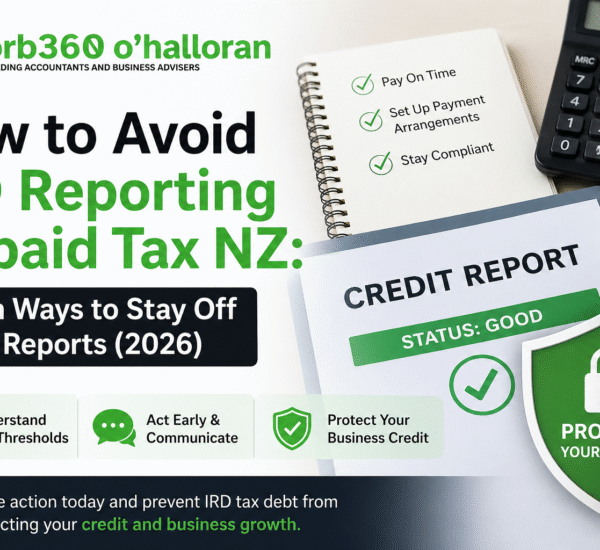
How to Avoid IRD Reporting Unpaid Tax NZ: Proven Ways to Stay Off Credit Reports (2026)
Quick Summary
To avoid IRD reporting unpaid tax in NZ, businesses must act early by paying tax on time, setting up payment arrangements, and maintaining communication with IRD. Preventing reporting is easier than fixing credit damage later, and proactive steps can protect your access to loans and financial credibility.
If you are wondering how to avoid IRD reporting unpaid tax NZ, the key is early action. Once tax debt is reported, it becomes part of your credit file and can affect funding, cash flow, and business growth.
This guide explains how to stay below reporting thresholds and what steps you can take to protect your credit profile before any damage occurs.
When Does IRD Report Unpaid Tax in NZ?
To understand how to avoid IRD reporting unpaid tax NZ, you need to know when reporting typically happens.
- When tax debt becomes significantly overdue
- When large balances remain unpaid for extended periods
- After IRD has attempted to contact you
Acting before these conditions are met is critical to avoiding reporting.
How to Avoid IRD Reporting Unpaid Tax NZ: Key Steps
1. Pay Tax Before It Becomes Overdue
The simplest way to avoid reporting is to meet all tax deadlines. Late payments increase the risk of escalation.
2. Act Before 90 Days Overdue
A major factor in how to avoid IRD reporting unpaid tax NZ is timing. Addressing debt early reduces the likelihood of it reaching reporting thresholds.
3. Set Up a Payment Arrangement Early
If you cannot pay in full, arrange instalments with IRD as soon as possible. This demonstrates intent and reduces risk.
Visit IRD official website for repayment options.
At Risk of IRD Reporting? Check This Before It’s Too Late
Most businesses don’t realise they’re at risk until their unpaid tax starts affecting their credit profile. If you’re unsure about your current position, it’s important to understand the exact triggers and timelines.
Not sure where you stand? Knowing when IRD reports unpaid tax can help you take action before it impacts your business.
See When IRD Reports Unpaid Tax →4. Maintain Communication With IRD
Ignoring notices increases the chances of reporting. Staying responsive helps prevent escalation.
5. Monitor Your Tax Position Regularly
Reviewing your obligations helps you identify risks early and take corrective action before they grow.
Early Warning Signs You May Be at Risk
- Missed tax deadlines
- Growing outstanding balance
- Multiple reminders from IRD
- Cash flow pressure affecting payments
Recognising these signs early is essential for avoiding reporting.
Common Mistakes That Lead to IRD Reporting
- Delaying action on overdue tax
- Ignoring IRD communication
- Not setting up a payment plan
- Applying for loans while tax debt is unresolved
Avoiding these mistakes can significantly reduce your risk.
How Avoiding Reporting Protects Your Business
Preventing IRD reporting helps you:
- Maintain access to business loans
- Protect your credit profile
- Build trust with suppliers and lenders
- Support long-term growth
Related Guides
- Unpaid Tax and Credit Score in NZ
- When IRD Reports Unpaid Tax NZ
- How to Remove Unpaid Tax From Credit File NZ
Frequently Asked Questions
How to avoid IRD reporting unpaid tax NZ?
Pay taxes on time, act early on overdue balances, and set up payment arrangements before thresholds are reached.
Does a payment plan prevent IRD reporting?
In many cases, yes. Active arrangements reduce the risk of escalation.
When should you act to avoid IRD reporting?
Ideally before the debt becomes significantly overdue or crosses reporting thresholds.
Final Thoughts
Understanding how to avoid IRD reporting unpaid tax NZ gives you a clear advantage. Prevention is always easier than recovery, and early action can protect your credit profile and financial flexibility.
Staying proactive with tax obligations ensures your business remains financially stable and positioned for growth.


 09 377 4238
 Level 2, 6 Kingdon Street, Newmarket, Auckland
 help@orb360.co.nz