

Published: 20 October 2026
Author: DFK Orb360
What Is Monthly Financial Reporting?
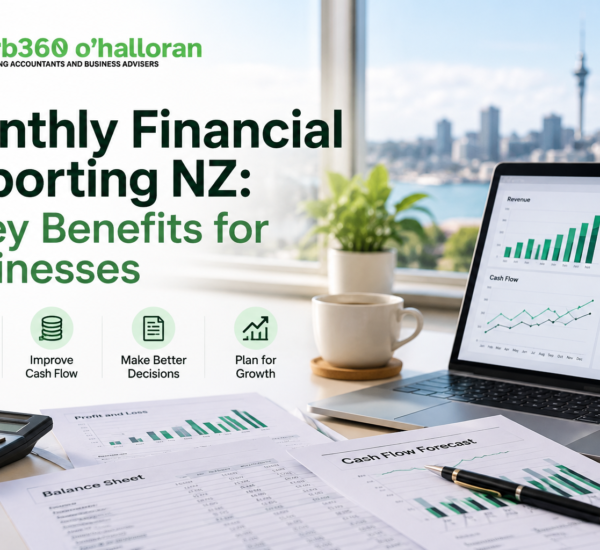
Monthly financial reporting NZ businesses use is the regular preparation and review of financial information to understand profitability, cash flow, expenses and business performance. Reports commonly include a profit and loss statement, balance sheet, cash-flow forecast and budget comparisons. Reviewing these reports helps business owners identify financial trends, investigate unexpected changes and make informed decisions throughout the year.
Running a business involves more than checking the bank balance or waiting for year-end accounts. Business owners need reliable information to understand whether revenue is covering costs, customers are paying on time and sufficient cash is available for upcoming commitments.
A consistent monthly financial reporting process gives businesses across New Zealand a clearer view of their financial position. By comparing results with previous months and budgets, owners can identify emerging issues, evaluate opportunities and plan for future expenditure.
What Should Monthly Financial Reporting Include?
The reports a business needs depend on its size, industry, structure and objectives. A useful monthly reporting pack may include:
- Profit and loss statement: Shows revenue, expenses and profit or loss for a reporting period.
- Balance sheet: Summarises assets, liabilities and equity at a particular date.
- Cash-flow report or forecast: Helps explain cash movements and estimate future cash requirements.
- Budget versus actual report: Compares actual income and expenditure with planned figures.
- Accounts receivable and payable: Shows outstanding customer invoices and amounts owed to suppliers.
- Key performance indicators: Tracks relevant measures such as gross margin, revenue growth and operating costs.
These reports are most useful when transactions are recorded consistently, accounts are reconciled and significant changes are explained. For more information, visit Business.govt.nz’s business finance guidance.
7 Benefits of Monthly Financial Reporting for NZ Businesses
1. Understand Your Business’s Financial Performance
Monthly reports help owners understand how revenue, expenses and profitability change over time. Comparing results with previous months can reveal patterns that may be difficult to identify from individual transactions or annual figures alone.
For example, sales might increase while profit margins decline because supplier prices or staffing costs have risen. Reviewing revenue alongside expenses helps identify where further investigation may be necessary.
2. Improve Cash-Flow Visibility
A profitable business can still experience cash-flow pressure when customers pay late or major expenses fall due before receipts arrive. Reviewing bank balances, expected receipts, supplier payments, wages, tax obligations and loan repayments can help owners understand upcoming cash requirements.
3. Compare Actual Results With Your Budget
A budget sets out expected income and expenditure. A budget-versus-actual report shows where financial results differ from the plan.
If marketing expenses, wages or stock purchases are higher than expected, investigate the reasons and decide whether spending or forecasts need to change. Higher-than-expected sales should also be reviewed alongside any additional costs required to deliver them.
4. Identify Rising Costs and Margin Pressure
Regular reporting helps owners monitor expenses such as rent, wages, software subscriptions, insurance, inventory and supplier charges. It can also show whether gross margins are changing.
When a significant movement appears, review the underlying transactions and business conditions. Financial reports help identify questions that need attention, but the cause of a change may require further investigation.
5. Make Better-Informed Business Decisions
Whether you are considering hiring an employee, purchasing equipment, opening new premises or expanding into another market, reliable financial information provides a stronger starting point for assessing affordability.
Review expected costs, potential income, funding requirements and working capital before making a significant commitment. Forecasting alternative scenarios can also help owners understand how changes in sales or expenses could affect their plans.
6. Keep Financial Records Organised
Maintaining up-to-date accounting records can make it easier to prepare information for GST, income tax and employer-related obligations where applicable. Monthly reconciliation can also help identify missing invoices, incorrectly coded transactions and unexplained bank movements.
New Zealand businesses should check the record-keeping requirements that apply to their circumstances. Inland Revenue provides guidance on business record keeping and generally requires relevant records to be retained for at least seven tax years.
Important: Monthly management reports do not automatically replace statutory financial statements, tax returns or other formal reporting obligations. Requirements depend on the business structure and applicable rules. See IRD guidance on financial reporting for companies.
7. Support Conversations With Banks and Advisers
Consistent financial reports can help business owners explain performance when discussing funding, investment, budgets or future plans with relevant stakeholders. The information required depends on the purpose of the discussion and the requirements of the bank, investor or adviser.
A regular reporting process also makes it easier to explain changes in revenue, profitability, outstanding invoices and cash flow using comparable figures.
How Can You Make Monthly Financial Reporting More Useful?
To get more value from monthly financial reporting, businesses should focus on accuracy, consistency and clear follow-up actions.
- Use reliable source records: Ensure sales, purchases and other transactions are recorded accurately.
- Compare like with like: Use consistent reporting periods and expense categories when comparing results.
- Explain significant variances: Document the reasons for important differences between actual results and expectations.
- Assign responsibility: Decide who will investigate issues and complete agreed actions.
- Review forecasts regularly: Update cash-flow and budget assumptions when business conditions change.
A consistent process can help owners identify questions earlier and maintain a clearer view of financial performance. The appropriate reports and review frequency will depend on the business’s needs.
Pairing actual cash movements with a forward-looking forecast can help identify potential shortfalls and support payment planning. Read the official Business.govt.nz cash-flow forecasting guide.
Monthly Financial Reporting NZ: How to Interpret Your Business Results
Monthly financial reporting NZ businesses rely on should do more than present financial figures. It should help owners understand what changed during the month, why the change matters and whether any action is needed. Reviewing revenue, expenses, profitability and cash flow together provides a more complete picture of business performance.
For example, an increase in revenue may appear positive, but rising supplier costs or overdue customer invoices could affect profitability and cash availability. Comparing the profit and loss statement with the balance sheet and cash-flow forecast helps identify questions that require further investigation.
Business owners should review significant changes against previous periods, budget expectations and known business events. This creates a more useful basis for deciding whether spending, forecasts or operating plans need to be adjusted.
What Should a Monthly Financial Report Tell a Business Owner?
A useful monthly financial report should answer several practical questions:
- Did the business achieve its expected revenue for the month?
- Which expenses increased or decreased compared with the budget?
- Did gross profit margins change, and what may have contributed to the change?
- Are customers paying invoices within the expected timeframe?
- Will available cash cover upcoming operating expenses and financial commitments?
- Which financial issues need attention before the next reporting period?
These questions help turn financial reports into a practical management tool. The answers will vary by business, so owners should investigate unusual movements rather than assume that a change in one figure explains the overall financial position.
How Does Monthly Financial Reporting Support Business Growth?
Businesses planning to hire staff, purchase equipment, introduce new products or enter new markets need to understand the financial implications of those decisions. Monthly reporting provides historical information that can be used alongside forecasts to assess possible costs, revenue and working-capital requirements.
For example, a business considering expansion can review current profit margins, recurring expenses, outstanding receivables and available cash before preparing a forecast for the proposed investment. Alternative scenarios can help owners consider what might happen if sales grow more slowly or costs exceed expectations.
For growing New Zealand businesses, monthly financial reporting NZ provides a consistent way to monitor actual results against growth plans and identify when assumptions need to be reviewed.
Monthly Management Accounts for New Zealand Businesses
Monthly management accounts are a collection of financial reports prepared to help business owners and managers monitor performance. They are usually tailored to the information needed to manage the business rather than being a standard set of reports for every organisation.
A management reporting pack may include a profit and loss statement, balance sheet, cash-flow forecast, budget comparison, aged receivables and selected business performance indicators. The contents should reflect the decisions owners need to make and the complexity of their operations.
Businesses should also distinguish internal management accounts from formal financial statements and statutory reporting obligations. The reporting requirements that apply depend on the entity and its circumstances. Inland Revenue provides information about financial reporting requirements for companies in New Zealand.
How to Establish a Monthly Financial Reporting Process
A repeatable month-end process helps businesses produce reports consistently and use them to support decisions. Consider these six steps:
- Set a monthly close date: Establish a consistent deadline for completing the previous month’s accounts.
- Collect financial records: Gather bank statements, sales records, supplier invoices, payroll information and other relevant transactions.
- Reconcile accounts: Compare accounting records with bank statements and investigate discrepancies.
- Prepare the reporting pack: Review the profit and loss statement, balance sheet, cash-flow information and budget comparisons relevant to the business.
- Investigate significant variances: Identify unexpected movements in revenue, expenses, margins, receivables or cash balances.
- Assign follow-up actions: Record what needs attention, who is responsible and when the action should be reviewed.
The final step is important. Reports should lead to useful questions and appropriate action, rather than simply being prepared and filed away.
How Often Should a Business Review Its Financial Reports?
Many businesses review their management accounts monthly because this provides a regular opportunity to compare results, investigate changes and update forecasts. The appropriate frequency depends on the business’s size, transaction volume, cash position and decision-making needs.
A business experiencing rapid growth or cash-flow pressure may need to monitor cash more frequently while retaining a monthly reporting cycle. A more stable business may find monthly management reporting sufficient, provided important payments and obligations are monitored between reporting dates.
Monthly Financial Reporting Checklist for NZ Businesses
Use this checklist as a starting point for your monthly review and adapt it to your accounting system and reporting requirements.
- Bank accounts and relevant balance-sheet accounts reconciled.
- Sales, expenses and supplier transactions recorded in the correct period.
- Outstanding customer invoices and overdue debts reviewed.
- Supplier payments and upcoming commitments checked.
- Profit and loss statement and balance sheet reviewed.
- Cash-flow forecast updated where appropriate.
- Actual performance compared with the budget.
- Significant changes and unusual transactions investigated.
- Relevant tax and payroll records checked.
- Follow-up actions documented and assigned.
Common Financial Reporting Mistakes to Avoid
- Reviewing only the bank balance: Cash at bank does not show the full picture of profitability, outstanding debts or future commitments.
- Ignoring overdue invoices: Outstanding receivables can affect when cash reaches the business.
- Using inconsistent categories: Changes in coding can make comparisons between months less meaningful.
- Ignoring unexpected movements: Significant changes in revenue, costs or margins should be investigated.
- Failing to act on findings: Reports are more useful when they lead to clear decisions and follow-up actions.
- Confusing management reports with statutory reporting: Internal reporting and formal financial reporting obligations serve different purposes.
What Is the Difference Between Monthly Financial Reporting and Annual Accounts?
Monthly financial reporting is generally used to monitor business performance and support internal decisions throughout the year. Annual financial statements are prepared for year-end purposes and may need to meet specific legal, tax, accounting or other reporting requirements.
Monthly management reports can be tailored to the information business owners need, such as cash-flow forecasts, budget comparisons and profitability by product or service. Formal reporting obligations depend on the entity’s structure and circumstances.
Before determining which requirements apply to your company, review the official IRD financial reporting requirements for companies.
Which Financial Performance Indicators Should Businesses Track?
The most useful indicators depend on the business model. Focus on measures that relate directly to your business objectives rather than tracking every available metric.
- Revenue growth: Compare sales with previous months and budget expectations.
- Gross profit margin: Review the revenue remaining after direct costs.
- Operating expenses: Identify significant increases in recurring costs.
- Accounts receivable: Monitor outstanding invoices and overdue customer payments.
- Cash position: Review available cash and expected receipts and payments.
- Budget variance: Compare actual results with planned income and expenditure.
Review these indicators alongside the underlying financial statements. A change in one metric can have several causes, so investigate the relevant transactions and circumstances before deciding what action to take.
How Can Small Businesses in NZ Improve Their Financial Reporting?
Small businesses can improve their reporting process by keeping records up to date, reconciling accounts regularly, using consistent expense categories and setting realistic month-end deadlines.
For example, a business may generate more sales than the previous month but still experience cash-flow pressure because customers have not paid their invoices. Reviewing the profit and loss statement alongside outstanding receivables and a cash-flow forecast helps distinguish sales performance from the timing of cash receipts.
The value of monthly financial reporting NZ businesses use comes from accurate records, meaningful comparisons and appropriate follow-up. Reports do not guarantee better results by themselves, but they provide a clearer basis for reviewing financial decisions.
Where Can Businesses Get Monthly Financial Reporting Support in NZ?
Businesses seeking monthly financial reporting NZ support should look for an approach that matches their accounting systems, reporting needs and business objectives. Depending on their circumstances, they may need help interpreting management accounts, reviewing cash-flow forecasts, understanding budget variances or improving their month-end reporting routine.
DFK Orb360 provides accounting and business advisory services. Businesses throughout New Zealand can contact the team to discuss their reporting requirements and determine what support may be suitable for their circumstances.
People Also Ask: Monthly Financial Reporting NZ
What is monthly financial reporting?
Monthly financial reporting is the regular preparation and review of financial information, such as profit and loss, balance-sheet, cash-flow and budget reports. It helps business owners understand performance and make informed decisions.
Why is monthly financial reporting important for NZ businesses?
It provides regular visibility into revenue, costs, profitability, cash flow and upcoming commitments. Reviewing this information can help owners identify trends, investigate unexpected changes and plan for future needs.
What reports should be included in monthly management accounts?
Depending on the business, monthly management accounts may include a profit and loss statement, balance sheet, cash-flow report or forecast, budget-versus-actual comparison and reports on outstanding customer and supplier balances.
Is monthly financial reporting compulsory in New Zealand?
Monthly management reporting is not a universal statutory requirement for every New Zealand business. Formal financial reporting obligations depend on the business structure, size and applicable legislation. Businesses should check the requirements that apply to them.
How often should a small business review its finances?
Many small businesses benefit from a monthly review of their financial reports, with cash flow monitored more frequently when receipts, payments or cash reserves are volatile. The appropriate frequency depends on the business and its circumstances.
Can monthly financial reporting help with cash flow?
Yes. Reviewing cash movements, outstanding invoices, expected receipts and upcoming payments can help a business estimate future cash requirements and identify potential pressure points earlier.
Where can NZ businesses get help with financial reporting?
Businesses can speak with an accountant or business adviser about the reports they need and how to use them. DFK Orb360 can discuss your accounting and business advisory requirements through its contact page.
Need Help With Monthly Financial Reporting?
Whether your business operates in Auckland, Christchurch, Hamilton, Tauranga, Dunedin, Wellington or elsewhere in New Zealand, understanding your financial performance is essential to informed decision-making.
DFK Orb360 provides accounting and business advisory services. Contact our team to discuss your reporting requirements and explore the support that may suit your business.
Ready to Discuss Your Business Finances?
Email: help@orb360.co.nz



 09 377 4238
 Level 2, 6 Kingdon Street, Newmarket, Auckland
 help@orb360.co.nz