

Business Technology | New Zealand
Technology Audit NZ is an important consideration for businesses looking to improve operational efficiency, identify outdated systems and make smarter technology decisions. If your business relies on manual processes, disconnected software or repetitive administrative tasks, a technology audit can help identify opportunities for improvement.
Is your business technology supporting growth, or creating unnecessary work? Outdated software, disconnected systems and repetitive manual processes can affect productivity, increase operating costs and make business decisions more difficult.
A technology audit in New Zealand can help businesses understand how their existing technology is performing, identify operational gaps and explore opportunities to improve systems and workflows.
Through the partnership between DFK Orb360 O’Halloran and Code Counsel, New Zealand businesses can explore the relationship between business performance, financial considerations and technology solutions.
Your business may benefit from a technology audit if it relies heavily on manual processes, uses disconnected software, experiences recurring system issues, struggles with reporting or has difficulty identifying suitable automation opportunities.
Reviewing these areas can help identify where technology improvements may support efficiency, better information management and business growth.
Why Is a Technology Audit Important for New Zealand Businesses?
A Technology Audit NZ businesses undertake can help identify outdated software, disconnected systems and inefficient workflows. It provides an opportunity to understand whether existing technology supports business operations and future growth.
For small and medium-sized businesses, a Technology Audit NZ review can highlight opportunities to improve reporting, streamline administrative processes and explore suitable automation solutions.
Whether your business operates in construction, manufacturing, professional services or retail, reviewing your technology can help identify areas that may benefit from improvement.
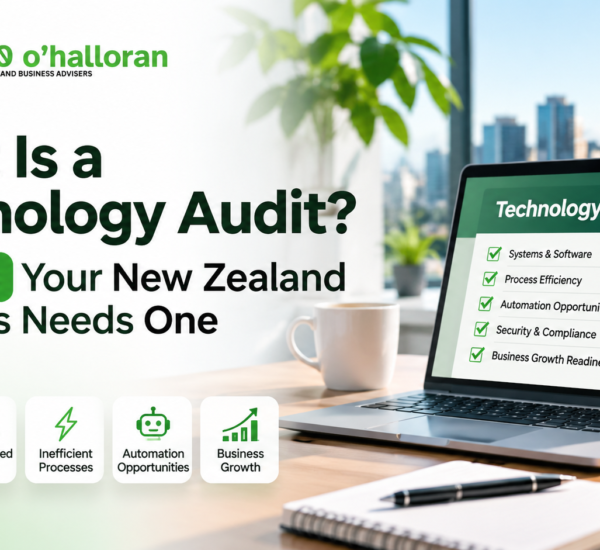
What Is a Technology Audit and Why Does Your Business Need One?
A technology audit is a structured review of the technology, software, systems and processes a business uses to operate. It helps identify whether existing tools meet business requirements and where improvements may be worth exploring.
Rather than focusing only on individual software products, a business technology audit considers how systems work together and how they support everyday operations.
A technology audit may examine:
- Existing business software and applications.
- How different systems exchange information.
- Manual tasks and repetitive administrative processes.
- Reporting and access to business information.
- Technology costs and ongoing software requirements.
- Opportunities for automation and digital improvement.
For New Zealand SMEs, a technology audit can provide a clearer understanding of current systems before committing to new software, integrations or digital transformation projects.
5 Signs Your New Zealand Business Needs a Technology Audit
Many businesses continue using existing systems because they are familiar, even when those systems no longer support their operational needs. These five indicators can help identify when a review may be useful.
Your Employees Spend Too Much Time on Manual Processes
Repetitive administrative work can consume valuable employee time. If your team regularly enters the same information into multiple systems, manually prepares reports or follows up on routine tasks, there may be opportunities to improve the workflow.
Business process automation can help reduce repetitive work where appropriate. Depending on the process, this may involve workflow automation, system integrations or AI-supported tools.
Example: A business manually transfers customer information between enquiry forms, spreadsheets and its CRM. An integrated workflow could reduce duplicate data entry and improve information consistency.
Your Business Uses Multiple Disconnected Software Systems
Businesses often adopt different tools for accounting, sales, inventory, customer management and operations. Problems can arise when these systems do not communicate effectively.
Disconnected software can lead to duplicate records, inconsistent information, additional administration and delays in accessing important business data.
A technology audit can examine how existing systems work together and identify potential opportunities for better integration.
Example: A growing company uses separate systems for customer enquiries, invoicing and project management. Reviewing these connections may reveal opportunities to streamline information flow.
You Struggle to Access Accurate Business Information
Timely information is important when making financial and operational decisions. If management relies on several spreadsheets, manually prepared reports or information from different departments, understanding overall business performance can become difficult.
A review of reporting systems, data management and software integrations can help identify why information is difficult to access and where improvements may be possible.
Example: A business owner waits several days for different departments to provide figures before preparing a performance report. Better system integration may help make reporting more efficient.
Your Technology Costs Are Increasing Without Clear Value
Software subscriptions, licences, maintenance and technology services can become a significant business expense. As companies grow, they may accumulate tools that overlap or are no longer actively used.
A technology audit can help review existing software requirements, identify possible duplication and assess whether current systems continue to meet business needs.
The goal is not necessarily to spend less on technology. It is to understand whether technology expenditure supports business priorities.
Your Business Has Not Explored AI and Automation Opportunities
AI and automation are increasingly relevant to business operations. However, adopting new tools without understanding existing processes can create unnecessary complexity.
A technology review can help identify suitable tasks for automation and assess whether AI-enabled tools could support activities such as document processing, customer enquiries, reporting or internal workflows.
The most useful starting point is identifying a genuine business problem rather than introducing technology simply because it is available.
How Can Outdated Business Technology Affect Productivity and Growth?
Outdated or poorly connected technology can affect more than IT performance. It can influence how employees complete tasks, how customers experience a business and how management accesses information.
| Technology challenge | Possible business impact | Potential improvement |
|---|---|---|
| Manual data entry | Repetitive work and greater administrative effort | Workflow automation |
| Disconnected software | Duplicate information and inconsistent records | System integration |
| Outdated applications | Operational limitations and maintenance challenges | Software review and upgrade planning |
| Fragmented reporting | Delays in accessing management information | Improved reporting and data integration |
| Repetitive customer processes | Slower response and follow-up workflows | Appropriate CRM and automation solutions |
The right improvements depend on the business, its existing systems, available resources and operational priorities. A technology audit helps establish what should be reviewed before decisions are made.
What Does a Business Technology Audit Include?
A business technology audit should provide a clearer understanding of existing technology and potential areas for improvement. Its scope will depend on the business and the agreed engagement.
1. Review of Existing Technology
Understand which software, platforms and applications the business currently uses and how they support daily activities.
2. Business Process Assessment
Identify repetitive activities, manual workflows and operational areas where processes may be improved.
3. System Integration Review
Examine how business applications exchange information and whether disconnected systems create unnecessary work.
4. Automation Opportunities
Explore whether suitable workflows could benefit from automation or AI-supported solutions.
5. Technology Improvement Priorities
Identify potential next steps based on business requirements, practical considerations and available resources.
The intended outcome is a clearer understanding of current technology, identified improvement opportunities and a basis for considering practical next steps. The specific deliverables depend on the agreed audit scope.
How Can AI and Business Automation Improve Operational Efficiency?
AI and automation can help businesses improve selected processes by reducing repetitive work, supporting information management and making certain workflows more efficient.
For small and medium-sized businesses, potential applications include:
- Administrative workflows: Automating selected routine tasks and notifications.
- Customer enquiries: Supporting enquiry routing and structured follow-up processes.
- Document processing: Exploring tools that assist with extracting and organising information.
- Reporting: Reducing manual steps involved in preparing selected business reports.
- CRM workflows: Improving how customer information and follow-up activities are managed.
AI is not suitable for every business process. Businesses should consider data privacy, accuracy, security, human oversight and integration requirements before adopting AI-enabled systems.
A technology audit can help identify where automation may be appropriate and where a simpler process improvement could be more effective.
Which New Zealand Businesses Can Benefit from a Technology Audit?
Technology audits are relevant across industries. The systems and processes that need reviewing will vary depending on how a business operates.
Construction and Contracting Businesses
Construction businesses may review project management systems, job tracking, document workflows, scheduling and financial information processes.
Manufacturing Businesses
Manufacturers may examine inventory systems, production information, reporting workflows and the connections between operational and financial software.
Professional Services Firms
Professional services businesses may benefit from reviewing client management, document handling, internal communication and administrative workflows.
Retail and E-commerce Businesses
Retailers may assess how their e-commerce platforms, inventory management, customer information and accounting systems work together.
Trades and Service Businesses
Trades and service businesses may explore improvements to bookings, customer enquiries, job management, invoicing and routine administration.
How DFK Orb360 O’Halloran and Code Counsel Help New Zealand Businesses
Business technology decisions should consider both operational requirements and financial implications. This is why the partnership between DFK Orb360 O’Halloran and Code Counsel brings together complementary areas of expertise.
DFK Orb360 O’Halloran: Accounting, Tax and Business Advisory
DFK Orb360 O’Halloran brings accounting, tax and business advisory expertise to help businesses consider the financial and commercial aspects of their decisions.
This perspective can help business owners assess technology-related expenditure, understand financial considerations and align improvement priorities with wider business objectives.
Code Counsel: Technology and Software Expertise
Code Counsel brings technology and software expertise to the partnership. This supports the exploration of technology requirements, software solutions, automation opportunities and digital improvement initiatives.
A Combined Approach to Business Improvement
By bringing business advisory and technology expertise together, the partnership aims to help New Zealand businesses consider both what needs to improve and how suitable technology solutions may support those improvements.
The focus is on understanding business requirements, identifying opportunities and considering practical next steps rather than recommending technology without a clear purpose.
Choosing the right Technology Audit NZ provider involves understanding both your business requirements and existing technology. A structured review can help identify practical improvements, assess software requirements and explore opportunities for business automation.
Learn more about DFK Orb360’s strategic advisory services or visit Code Counsel.
Why Review Your Business Technology Before Investing in New Systems?
Purchasing new software does not automatically solve existing business problems. Without understanding current processes, businesses may introduce additional systems that increase complexity rather than improve efficiency.
Reviewing existing technology first can help decision-makers:
- Understand current technology requirements.
- Identify systems that may no longer meet business needs.
- Recognise potential integration and automation opportunities.
- Prioritise improvements based on business objectives.
- Consider costs and ongoing operational requirements.
A structured review gives businesses a stronger starting point for evaluating technology investments and planning future improvements.
People Also Ask: Technology Audit NZ
What is a technology audit for a small business?
A technology audit for a small business is a review of its existing software, systems, workflows and technology requirements. It helps identify inefficiencies, disconnected applications and opportunities to improve business operations.
How do I know if my business needs a technology audit?
Your business may benefit from a technology audit if employees spend significant time on manual tasks, systems do not communicate effectively, reporting is difficult or technology costs are increasing without clear value.
How often should a business conduct a technology audit?
There is no single review schedule suitable for every business. A technology review may be useful when a business grows, changes its operations, adopts new software or experiences recurring system and workflow challenges.
What is the difference between a technology audit and an IT audit?
A technology audit may examine how software, systems and digital tools support business operations. An IT audit often has a more specific focus on IT controls, infrastructure, security and risk management. The exact scope depends on the engagement.
Can a technology audit help reduce business costs?
A technology audit can identify potential cost-saving opportunities, such as overlapping software subscriptions, inefficient processes and unnecessary manual work. Actual savings depend on the findings and any improvements implemented.
Can AI automation help New Zealand small businesses?
AI automation may help suitable small businesses streamline selected repetitive processes, organise information and support administrative tasks. Businesses should assess suitability, costs, data privacy and human oversight before implementation.
What happens after a technology audit?
The next step is to review the findings, prioritise relevant opportunities and decide whether further assessment, software changes, system integration or automation work is appropriate.
Where can I request a technology audit in New Zealand?
New Zealand businesses can contact DFK Orb360 O’Halloran to enquire about the Complimentary Technology Audit offered through its partnership with Code Counsel. Eligibility, scope and terms apply.
Frequently Asked Questions About Business Technology Audits
Is a technology audit suitable for a growing SME?
Yes. Growing SMEs may find that their original software and processes no longer support increasing operational requirements. A technology review can help identify areas that may need attention as the business develops.
Does a technology audit mean replacing all existing software?
No. A technology audit does not automatically require replacing existing systems. The purpose is to assess what is working, identify gaps and explore whether improvements or integrations are appropriate.
Does every business need AI automation?
No. AI automation should be considered only where it addresses a genuine business requirement. Some processes may be improved through simpler workflow changes or better use of existing software.
How do I get started with DFK Orb360 and Code Counsel?
Businesses can contact DFK Orb360 O’Halloran through its website to discuss their requirements and enquire about the Complimentary Technology Audit.
Is Your Business Technology Working as Hard as You Are?
Outdated systems, disconnected software and manual processes can make business operations more complicated than they need to be.
Take the first step towards understanding where improvements may be possible. Through the partnership between DFK Orb360 O’Halloran and Code Counsel, eligible New Zealand businesses can enquire about a Complimentary Technology Audit.
Understand your current technology, identify potential opportunities and explore smarter ways to support your business.
Request Your Complimentary Technology Audit Visit DFK Orb360Contact our team to discuss eligibility, audit scope and applicable terms.
Final Thoughts: Make Technology Work for Your Business
Technology should support business operations, improve access to information and help teams work efficiently. When existing systems no longer meet business requirements, reviewing them can be a useful first step towards improvement.
Whether your business is dealing with manual processes, disconnected applications, reporting challenges or emerging automation requirements, understanding the current situation is essential before making technology decisions.
DFK Orb360 O’Halloran and Code Counsel bring business advisory and technology expertise together to help New Zealand businesses explore these opportunities.
Start by reviewing what you have, identifying what needs to improve and deciding what will support your next stage of growth.


 09 377 4238
 Level 2, 6 Kingdon Street, Newmarket, Auckland
 help@orb360.co.nz