

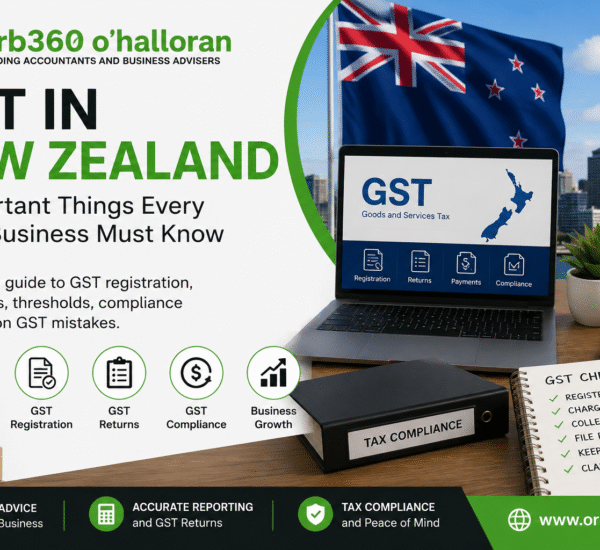
GST in New Zealand: 7 Important Things Every Small Business Must Know
GST in New Zealand is an important tax system every startup, entrepreneur, and small business owner should understand. Businesses may need GST registration depending on turnover and business activities. Understanding GST returns, compliance obligations, and common GST mistakes can help businesses avoid penalties and improve financial management.
GST in New Zealand is one of the most important tax systems every business owner should understand. Whether you are starting a new business, operating an ecommerce store, running a consultancy, or managing a growing company, understanding GST obligations is essential for staying compliant and avoiding penalties.
Many entrepreneurs and small business owners struggle with GST registration, GST returns, record keeping, and tax compliance. This guide explains how GST in New Zealand works, who needs GST registration, common GST mistakes, and how businesses can manage GST effectively.
What Is GST in New Zealand?
GST in New Zealand stands for Goods and Services Tax. It is a consumption tax applied to most goods and services sold in New Zealand.
Businesses registered for GST generally charge GST on products and services while also claiming GST credits on eligible business expenses.
Understanding GST in New Zealand is important because incorrect GST reporting can lead to financial penalties and compliance issues.
Official GST information is available through the Inland Revenue Department (IRD).
Who Needs GST Registration in New Zealand?
Businesses may need GST registration depending on annual turnover and business activities.
GST registration is generally required if your business exceeds the GST threshold set by New Zealand tax regulations.
Many businesses also choose voluntary GST registration because it may allow them to:
- Claim GST on business expenses
- Improve business credibility
- Work more efficiently with suppliers and clients
Businesses learning about GST in New Zealand should understand whether GST registration is mandatory or beneficial for their situation.
How GST in New Zealand Works for Small Businesses
Businesses registered for GST typically:
- Charge GST on products and services
- Collect GST from customers
- File GST returns regularly
- Pay GST owing to IRD
- Claim GST on eligible expenses
Good record keeping is essential for accurate GST reporting and tax compliance.
Many small businesses use accounting software or professional accounting services to simplify GST management.
How Often Do Businesses File GST Returns?
GST returns in New Zealand can usually be filed:
- Monthly
- Two-monthly
- Six-monthly
The filing frequency may depend on business turnover and GST registration preferences.
Late GST returns or incorrect GST reporting can lead to penalties and interest charges.
Common GST Mistakes Businesses Make
Many businesses make avoidable GST mistakes that create financial and compliance problems.
Common mistakes include:
- Missing GST filing deadlines
- Incorrect expense claims
- Poor record keeping
- Charging incorrect GST amounts
- Not understanding GST obligations
Businesses that understand GST in New Zealand early can reduce risks and improve financial management.
GST in New Zealand for Ecommerce and Import Businesses
Ecommerce businesses and importers often face additional GST considerations.
This may include:
- GST on imported goods
- International sales reporting
- Online marketplace compliance
- Cross-border tax obligations
Businesses involved in import/export operations should also understand the impact of international trade regulations and GST requirements.
You can also read our guide on New Zealand India FTA business opportunities.
Why Professional GST Advice Matters
Understanding GST in New Zealand can become complicated as businesses grow.
Professional accounting support may help businesses:
- Stay GST compliant
- Reduce reporting errors
- Improve financial planning
- Manage cash flow more effectively
- Prepare accurate GST returns
Businesses looking for GST guidance can explore DFK Orb360’s accounting and GST advisory services.
How GST in New Zealand Impacts Startups and Entrepreneurs
Startups and entrepreneurs should understand GST obligations before launching operations.
Businesses researching GST in New Zealand often need support with:
- Business setup
- Company registration
- Accounting systems
- Tax planning
- Bookkeeping
Entrepreneurs can also read our guide on how to start a business in New Zealand.
Final Thoughts on GST in New Zealand
Understanding GST in New Zealand is essential for businesses of all sizes. Whether you are operating a startup, ecommerce business, consultancy, or growing SME, GST compliance plays an important role in financial management and business success.
Businesses that manage GST correctly can reduce compliance risks, improve financial reporting, and focus more effectively on growth opportunities.
Need Help Managing GST in New Zealand?
DFK Orb360 helps businesses with GST registration, GST returns, accounting, bookkeeping, tax planning, and compliance support across New Zealand.
Book a Consultation
📞 09 377 4238
📧 help@orb360.co.nz
Frequently Asked Questions About GST in New Zealand
What is GST in New Zealand?
GST in New Zealand is a Goods and Services Tax applied to most goods and services sold by businesses.
Who needs GST registration in New Zealand?
Businesses may require GST registration depending on annual turnover and business activities.
How often are GST returns filed?
GST returns may be filed monthly, two-monthly, or six-monthly depending on business circumstances.
Can DFK Orb360 help with GST compliance?
Yes. DFK Orb360 provides GST registration, bookkeeping, accounting, tax planning, and compliance services.


 09 377 4238
 Level 2, 6 Kingdon Street, Newmarket, Auckland
 help@orb360.co.nz