

Last Updated: July 2026
If you’ve received a letter from Inland Revenue (IRD) about an audit, review, or request for information, it’s natural to feel concerned. However, an IRD audit does not automatically mean you’ve done anything wrong. In many cases, Inland Revenue simply needs additional information to verify that your tax affairs are accurate and compliant with New Zealand tax laws.
This comprehensive guide explains how IRD audits work, why taxpayers are selected, what documents you should prepare, how to respond to Inland Revenue, and how a Chartered Accountant can help you manage the process with confidence.
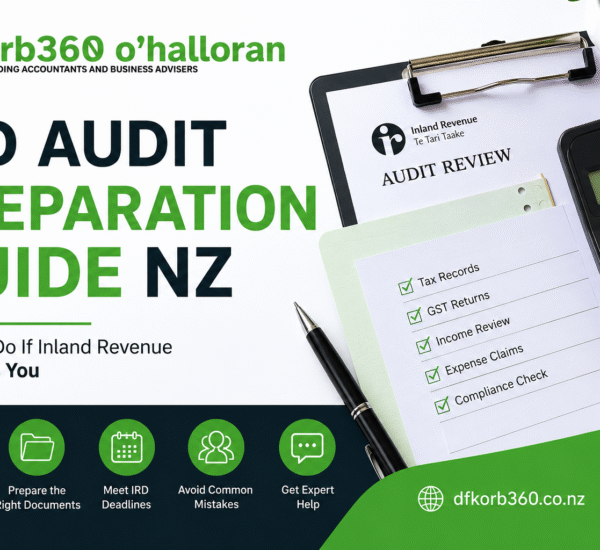
An IRD audit is a review conducted by Inland Revenue to confirm that your tax returns, GST returns, income, and business records are accurate. If you receive an audit notice, carefully read the letter, note any deadlines, gather the requested records, review your tax returns, and consider seeking professional advice before responding. Good record keeping and timely communication can make the audit process significantly easier. If Inland Revenue contacts you regarding an audit or compliance review, follow these steps: Preparing early helps reduce stress and allows you to respond accurately and efficiently. This IRD Audit Preparation Guide NZ has been created to help New Zealand taxpayers understand the Inland Revenue audit process. Whether you’re a sole trader, company director, landlord, contractor, or individual taxpayer, this IRD Audit Preparation Guide NZ explains how to prepare your records, understand audit requests, and respond confidently while meeting your tax obligations. An IRD audit is a formal review carried out by Inland Revenue (IRD) to verify that the information reported on your tax returns is complete, accurate, and complies with New Zealand tax legislation. Depending on the circumstances, Inland Revenue may review: An audit may involve a request for additional documents, clarification about certain transactions, or a more detailed review of your financial records. Importantly, being selected for an audit does not automatically mean Inland Revenue believes you’ve intentionally done something wrong. Many audits are part of routine compliance programmes or arise because IRD needs to verify information before finalising a tax position. Whether IRD conducts a review or a full audit, responding promptly and providing accurate records is essential. Yes. Inland Revenue can review previous tax years where permitted under New Zealand tax law. The number of years involved depends on the circumstances of each case and the relevant legal provisions. This is why maintaining complete and accurate financial records is essential for every taxpayer and business. If you’ve received an audit letter, compliance review, or request for information from Inland Revenue, obtaining professional advice early can help you understand what’s being requested and ensure your response is accurate and well supported. At DFK Orb360, our Chartered Accountants assist individuals, sole traders, and businesses throughout New Zealand with tax compliance, IRD correspondence, GST matters, and audit support. Book a confidential consultation with our team before responding to IRD. Inland Revenue carries out audits and compliance reviews to help maintain the integrity of New Zealand’s tax system. The purpose is to confirm that individuals and businesses are meeting their tax obligations, reporting income correctly, and claiming deductions that are supported by New Zealand tax legislation. An audit is not always an indication that IRD believes a taxpayer has made a mistake. Many reviews are conducted as part of routine compliance activities or to verify specific information before finalising a taxpayer’s position. Maintaining accurate financial records throughout the year makes responding to an audit significantly easier. Almost anyone with New Zealand tax obligations may be selected for an audit or review. Inland Revenue’s compliance activities apply to both individuals and businesses. This includes: Selection is based on various factors, and many audits are part of Inland Revenue’s ongoing compliance programmes rather than an indication of deliberate non-compliance. Every audit is different, and Inland Revenue does not publish a complete list of selection criteria. However, there are several situations that may lead to additional enquiries or a compliance review. A substantial increase or decrease in reported income compared with previous years may prompt Inland Revenue to seek further clarification. Claiming unusually high business deductions compared with industry averages or previous returns may result in additional questions. Businesses requesting significant GST refunds may be asked to provide supporting documentation before the refund is processed or afterwards as part of a review. IRD receives information from employers, financial institutions, government agencies, and other third parties. Differences between this information and your tax return may require clarification. From time to time, Inland Revenue focuses on particular industries or sectors as part of broader compliance initiatives. Businesses or individuals with previous filing issues, late returns, or unresolved tax matters may receive additional attention from Inland Revenue. Some audits are selected as part of routine compliance activity and are not necessarily triggered by any specific concern. Being selected for an audit does not automatically mean you’ve made an error or breached tax law. Many audits simply involve verifying information already provided to Inland Revenue. Not every interaction with Inland Revenue involves a full audit. Understanding the type of review you’re facing can help you prepare appropriately. Understanding the scope of the review allows you to gather the appropriate records and respond more efficiently. While every case is different, a typical Inland Revenue audit generally follows a structured process. Providing organised records and responding within the requested timeframe can help reduce delays during the audit process. There is no standard timeframe. The duration of an IRD audit depends on the complexity of the review, the number of tax periods involved, how quickly information is provided, and whether additional enquiries are required. Some reviews may be completed within weeks, while more complex audits can take several months. The most effective way to prepare is to organise your financial records before responding to Inland Revenue. In the next section, we’ll walk through the exact documents you should gather, how to review your records, and the steps you should take before submitting any information to IRD. Receiving an audit letter from Inland Revenue can feel overwhelming, but preparing in a structured way can make the process much more manageable. The goal is to provide accurate information, respond within the required timeframe, and ensure your records support the information you’ve reported. Follow these practical steps if you’ve been contacted by IRD. Before taking any action, read the entire letter or notice from Inland Revenue. Pay particular attention to: If anything is unclear, seek clarification before sending documents or making assumptions. Responding within the requested timeframe demonstrates cooperation and helps keep the process moving efficiently. If you genuinely need additional time to collect records, contact Inland Revenue as soon as possible to discuss your situation rather than waiting until the deadline has passed. One of the most important parts of preparing for an IRD audit is ensuring your records are complete and organised. Depending on your circumstances, Inland Revenue may request documents such as: Providing organised records can significantly reduce delays and unnecessary follow-up questions. Before submitting information to Inland Revenue, compare your records with the tax returns you’ve already filed. Look for: Reviewing your records first allows you to better understand any questions IRD may raise during the audit. Rather than sending hundreds of files in random order, organise your documents into clearly labelled folders. A practical structure might include: Well-organised records make it easier for both you and Inland Revenue to locate supporting information. A common issue during audits is the inclusion of private expenses within business claims. If an expense has both business and private use, ensure you’ve applied the appropriate apportionment and retained supporting calculations where required. Examples include: If the audit involves multiple years, significant tax adjustments, complex business structures, or you’re unsure how to respond, obtaining professional advice before communicating with Inland Revenue may help you better understand your obligations and prepare an accurate response. Use this checklist before responding to Inland Revenue. Many audits become more complicated because taxpayers make avoidable mistakes after receiving the audit notice. Delaying your response can create unnecessary complications and may result in further correspondence from Inland Revenue. Only supplying part of the requested information often leads to additional requests and extends the review process. Always review documents before sending them to ensure they’re complete, accurate, and relevant to the audit. Missing invoices, receipts, or bank records can make it more difficult to support your tax position. Business deductions should generally relate to earning business income. Private expenditure should not be claimed unless the business portion has been correctly calculated where permitted. Starting early gives you more time to organise records, identify missing information, and obtain professional advice if necessary. Businesses should retain records that support their tax returns, including invoices, receipts, bank statements, GST records, payroll reports, contracts, accounting reports, and other financial documents required under New Zealand record-keeping obligations. Preparing for an Inland Revenue audit? Download our FREE IRD Audit Preparation Checklist to help organise your financial records before responding to IRD. The checklist includes: Need personalised advice? If you’re searching for an IRD Audit Preparation Guide NZ, chances are you want more than general information—you want confidence that you’re responding correctly. At DFK Orb360, our Chartered Accountants assist individuals, sole traders, landlords, trusts, and businesses throughout New Zealand with Inland Revenue compliance, audit preparation, GST reviews, and tax advisory services. Whether you’ve received a simple request for information or are facing a detailed Inland Revenue audit, professional guidance can help you understand the process and prepare a well-supported response. Every IRD audit is different. Our role is to help ensure your records are organised, your response is accurate, and your obligations are clearly understood. Preparing for an IRD audit is only one part of maintaining good tax compliance. You may also find these services helpful: This IRD Audit Preparation Guide NZ is designed for: If you’ve been contacted by Inland Revenue, following this IRD Audit Preparation Guide NZ can help you understand the audit process and prepare the requested documentation. An IRD Audit Preparation Guide NZ explains how to prepare if Inland Revenue contacts you for an audit or compliance review. It outlines the documents you should gather, how to respond, common mistakes to avoid, and when professional advice may be appropriate. No. An Inland Revenue audit does not automatically mean you’ve made an error or breached tax law. Some audits are selected as part of routine compliance activities, while others involve verifying specific information reported on tax returns. The duration depends on the complexity of the review, the number of years involved, and how quickly the requested information is provided. Some reviews are completed within a few weeks, while more complex audits can take several months. Yes. Inland Revenue may review previous tax years where permitted under New Zealand tax legislation. Keeping accurate financial records is essential in case historical information is requested. A typical IRD Audit Preparation Guide NZ recommends gathering: Simple information requests may be straightforward. However, if your audit is complex, covers multiple years, or you’re uncertain how to respond, speaking with a Chartered Accountant can help you better understand your obligations before providing information. Yes. DFK Orb360 assists clients with IRD Audit Preparation Guide NZ support, tax compliance reviews, GST matters, business accounting, and responding to Inland Revenue correspondence. Following this IRD Audit Preparation Guide NZ can help you prepare organised records and respond confidently if Inland Revenue contacts you. If you’ve received an Inland Revenue audit letter or compliance review notice, don’t face it alone. The Chartered Accountants at DFK Orb360 can help you review your records, understand what Inland Revenue is requesting, and prepare an accurate response. Book your FREE consultation today. Using this IRD Audit Preparation Guide NZ can help you: Every taxpayer’s circumstances are different, but following this IRD Audit Preparation Guide NZ can help you approach an Inland Revenue audit in a more organised and informed way. If you’ve reached this point in our IRD Audit Preparation Guide NZ, you now have a clear understanding of what happens during an Inland Revenue audit, why audits occur, the documents you should prepare, and the practical steps you can take before responding. Receiving an audit notice can feel stressful, but being selected for an audit does not automatically mean you’ve done anything wrong. Many Inland Revenue reviews are routine compliance checks or requests to verify information already submitted. The best way to prepare is to maintain accurate financial records throughout the year, respond within the required timeframe, and ensure your information is complete before submitting it to IRD. If your situation involves multiple tax years, complex GST matters, business structures, trusts, or significant adjustments, obtaining professional advice can help you understand your obligations and prepare an informed response. At DFK Orb360, we work with individuals, sole traders, companies, landlords, and growing businesses across New Zealand. Our Chartered Accountants provide practical advice across: Whether you’ve received an Inland Revenue review letter or need assistance following this IRD Audit Preparation Guide NZ, our team is here to help you understand the process and prepare with confidence. An IRD Audit Preparation Guide NZ explains how to prepare if Inland Revenue reviews your tax affairs. It covers audit steps, required documents, common audit triggers, and how to respond appropriately. Read the audit letter carefully, note all deadlines, gather financial records, review your tax returns, organise supporting documentation, and consider obtaining professional accounting advice if your situation is complex. Yes. Inland Revenue may audit sole traders, companies, partnerships, trusts, landlords, contractors, and other taxpayers to verify compliance with New Zealand tax legislation. You should generally retain invoices, receipts, bank statements, GST records, payroll reports, accounting reports, contracts, and other documents supporting your tax returns in accordance with New Zealand record-keeping requirements. Yes. A Chartered Accountant can review your records, explain Inland Revenue requests, assist with tax compliance, and communicate with IRD where authorised. Download our FREE IRD Audit Preparation Guide NZ Checklist to help organise your records before responding to Inland Revenue. The checklist includes: Need personalised tax advice? If you’ve received an Inland Revenue audit notice or compliance review, don’t wait until the deadline approaches. The experienced team at DFK Orb360 can help you understand the audit process, review your records, and prepare a clear, accurate response. Book your FREE consultation today and get trusted advice from New Zealand Chartered Accountants.IRD Audit Preparation Guide NZ
Quick Answer: What Should You Do If IRD Contacts You About an Audit?
Why This IRD Audit Preparation Guide NZ Matters
Table of Contents
What Is an IRD Audit?
What’s the Difference Between an IRD Review and an IRD Audit?
IRD Review
IRD Audit
Usually focuses on specific transactions or tax periods.
May involve a broader examination of your financial affairs.
Often resolved by providing requested documents.
May require multiple information requests and meetings.
Generally less detailed.
Can involve extensive examination of records.
May be completed relatively quickly.
Complex audits can take several weeks or months.
Can IRD Audit Previous Tax Years?
Need Professional Advice Before Responding to IRD?
Why Does IRD Conduct Audits?
IRD may conduct an audit to:
Who Can Be Audited by IRD?
Common Reasons IRD May Contact You
1. Significant Changes in Income
2. Large Business Expense Claims
3. Large GST Refund Claims
4. Inconsistent Information
5. Industry Compliance Programmes
6. Previous Compliance Issues
7. Random Compliance Reviews
Types of IRD Audits and Reviews
Type
Purpose
Information Request
IRD requests additional documents or clarification.
Compliance Review
Reviews a specific issue, transaction, or tax period.
GST Review
Examines GST returns, invoices, and refund claims.
Employer Review
Checks PAYE, payroll records, and employment obligations.
Full Tax Audit
Comprehensive review of financial records and tax affairs.
How Does the IRD Audit Process Work?
How Long Does an IRD Audit Take?
Preparing for an IRD Audit?
Step-by-Step IRD Audit Preparation Guide
Step 1: Read the IRD Letter Carefully
Step 2: Don’t Ignore the Deadline
Step 3: Gather All Relevant Financial Records
Step 4: Review Your Tax Returns Before Responding
Step 5: Organise Your Documents Logically
Step 6: Ensure Business and Personal Expenses Are Separate
Step 7: Seek Professional Advice When Needed
IRD Audit Document Checklist
Document
Ready?
Income Tax Returns
☐
GST Returns
☐
Bank Statements
☐
Sales Invoices
☐
Supplier Invoices
☐
Expense Receipts
☐
Payroll Reports
☐
Xero Reports
☐
Contracts & Agreements
☐
Vehicle Logbook (if applicable)
☐
Asset Purchase Records
☐
Loan Documents
☐
Common Mistakes to Avoid During an IRD Audit
Ignoring the Audit Letter
Providing Incomplete Information
Submitting Records Without Reviewing Them
Poor Record Keeping
Claiming Private Expenses
Waiting Until the Last Minute
What Records Should You Keep for an IRD Audit?
Free IRD Audit Preparation Checklist
How DFK Orb360 Can Help with Your IRD Audit Preparation Guide NZ
Our IRD Audit Support Services Include:
Related Tax Services from DFK Orb360
Who Should Read This IRD Audit Preparation Guide NZ?
Frequently Asked Questions – IRD Audit Preparation Guide NZ
What is an IRD Audit Preparation Guide NZ?
Does an IRD audit mean I’ve done something wrong?
How long does an IRD audit usually take?
Can Inland Revenue audit previous tax years?
What documents should I prepare for an IRD audit?
Should I respond to IRD myself?
Can DFK Orb360 help with an IRD audit?
Key Takeaways from This IRD Audit Preparation Guide NZ
Need Help with an IRD Audit?
Benefits of Following This IRD Audit Preparation Guide NZ
Conclusion: IRD Audit Preparation Guide NZ
Why Choose DFK Orb360?
People Also Ask
What is an IRD Audit Preparation Guide NZ?
How do I prepare for an IRD audit?
Can Inland Revenue audit my business?
What records should I keep for an IRD audit?
Can a Chartered Accountant help with an IRD audit?
Free IRD Audit Preparation Checklist
Need Expert Help with an IRD Audit?



 09 377 4238
 Level 2, 6 Kingdon Street, Newmarket, Auckland
 help@orb360.co.nz