

Last Updated: March 2026
Understanding New Zealand Tax Compliance Requirements
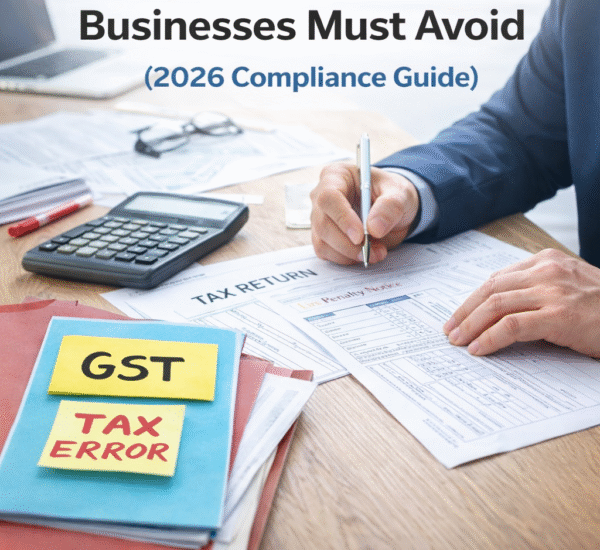
NZ tax mistakes businesses must avoid can result in Inland Revenue penalties, unexpected tax bills, and compliance risks. Understanding these common errors helps New Zealand businesses maintain accurate reporting and protect long-term financial stability.
Many New Zealand businesses face penalties due to avoidable tax mistakes such as incorrect GST filing, missed provisional tax payments, or poor record keeping. Understanding common compliance risks helps businesses stay aligned with Inland Revenue Department (IRD) regulations while improving financial management and long-term stability.
Tax compliance is one of the most important responsibilities for businesses operating in New Zealand. Even small reporting errors can lead to Inland Revenue Department penalties, interest charges, or unnecessary financial stress. Understanding the most common NZ tax mistakes businesses must avoid helps organisations remain compliant and protect profitability.
Professional guidance from experienced accountants can help businesses manage obligations confidently. Many organisations working with the best accounting services in New Zealand benefit from proactive advice that reduces risk before problems arise.
Why Tax Compliance Matters for NZ Businesses
New Zealand’s tax system requires accurate reporting across GST, income tax, payroll deductions, and provisional tax obligations. Businesses must maintain proper records and meet filing deadlines to avoid penalties.
Official tax responsibilities can be reviewed through the New Zealand Inland Revenue Department (IRD) , which provides guidance on GST filing, employer deductions, and business tax obligations.
—1. Incorrect GST Filing
GST mistakes are one of the most common compliance issues faced by businesses. Errors often occur when expenses are incorrectly claimed or income is recorded in the wrong reporting period.
- Claiming GST on non-deductible expenses
- Incorrect filing frequency
- Late submissions
Accurate bookkeeping and regular reconciliation significantly reduce GST risks.
—2. Missing Provisional Tax Payments
Many growing businesses underestimate provisional tax obligations. Unexpected tax bills can impact cash flow if planning is not done early.
Businesses reviewing accounting services cost New Zealand providers often prioritise firms offering proactive tax forecasting support.
—3. Poor Record Keeping
Incomplete financial records create compliance challenges during audits or financial reviews. Businesses should maintain accurate documentation including invoices, payroll records, and expense receipts.
Cloud accounting platforms such as Xero cloud accounting software help automate record keeping and improve reporting accuracy.
—4. Mixing Personal and Business Expenses
Using personal accounts for business spending can create confusion during tax filing. This often leads to incorrect deductions and reporting errors.
Separate bank accounts and clear expense tracking are essential.
—5. Payroll and PAYE Errors
Payroll compliance requires accurate PAYE deductions and KiwiSaver contributions. Errors can affect employees and lead to IRD penalties.
- Incorrect tax codes
- Late employer deductions
- Missing employee records
Professional payroll support reduces administrative burden and compliance risk.
—6. Ignoring Cash Flow Planning
Many businesses struggle during tax season because funds were not set aside for obligations. Cash flow forecasting helps businesses prepare for GST and income tax payments.
Accountants providing advisory support often help organisations forecast upcoming tax liabilities and manage growth sustainably.
—7. Claiming Incorrect Expenses
Overclaiming deductions or misunderstanding allowable expenses can trigger audits.
Common mistakes include:- Personal vehicle costs incorrectly claimed
- Home office miscalculations
- Entertainment expenses incorrectly categorised
Accurate classification protects businesses during IRD reviews.
—8. Filing Deadlines Missed
Late filings result in penalties and interest charges. Many businesses miss deadlines due to operational pressures or manual bookkeeping systems.
Regular reporting schedules supported by accountants help avoid unnecessary fees.
—9. Not Seeking Professional Advice Early
Many businesses wait until problems arise before consulting accountants. Early advisory support helps structure finances efficiently and avoid compliance issues.
Businesses comparing providers often evaluate the best accounting services in New Zealand based on advisory expertise rather than compliance alone.
—10. Not Reviewing Financial Reports Regularly
Ignoring financial reports can hide tax risks and cash flow issues. Monthly or quarterly reviews help identify potential problems early.
- Monitor expenses
- Plan tax payments
- Improve profitability
Avoid Costly Tax Mistakes
Our advisors help New Zealand businesses stay compliant, manage GST obligations, and plan tax payments with confidence.
- Tax compliance guidance
- GST and payroll support
- Business advisory services
Call us today: 09 377 4238
How Businesses Can Stay Compliant
Maintaining compliance requires strong financial systems and proactive advice. Businesses should:
- Maintain accurate records
- Review financial reports regularly
- Plan provisional tax payments
- Seek professional advice early
Working with experienced advisors helps businesses avoid costly mistakes while improving financial confidence.
—Frequently Asked Questions
What is the most common tax mistake NZ businesses make?
Incorrect GST reporting and poor record keeping are among the most common compliance issues faced by businesses.
Can accountants help avoid IRD penalties?
Yes. Professional accountants help businesses meet filing deadlines, maintain accurate reporting, and structure finances efficiently.
When should a business hire an accountant?
Businesses should seek accounting support when starting operations, growing rapidly, or managing complex tax obligations.
About Our Advisors
This guide is prepared by the experienced chartered accountants at DFK ORB360, supporting businesses across New Zealand with compliance, advisory services, and financial planning expertise.


 09 377 4238
 Level 2, 6 Kingdon Street, Newmarket, Auckland
 help@orb360.co.nz