
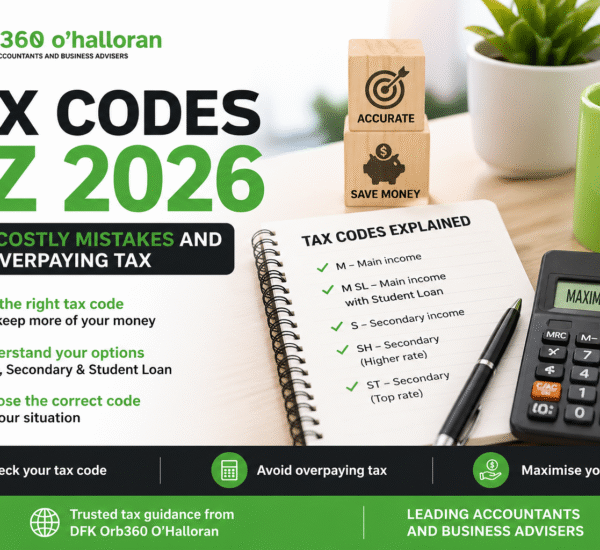

Tax codes NZ determine how much tax is deducted from your income. If you are using the wrong tax code, you could be overpaying tax without realising it.
Many people only discover this when they check their refund with the Inland Revenue Department (IRD).
—Tax codes in New Zealand tell your employer how much tax to deduct from your income based on your situation.
Your tax code depends on:
To choose the correct tax code, follow these steps:
Your main job is your highest income source.
If you have a student loan, add SL to your code.
Use the official IRD tax code guide to confirm your selection.
—If you are using the wrong tax code, you may already be paying more tax than required.
Use our tax return calculator NZ to estimate your refund instantly.
Understanding tax codes NZ becomes easier when you look at real examples. Your tax code depends on whether the income is your main job or a secondary source, and whether you have a student loan.
If you work one full-time job and do not have a student loan, your tax code will usually be M. This ensures your employer deducts the correct amount of PAYE tax based on your income.
If you have a student loan, your tax code changes to M SL. This means additional deductions will be made to repay your loan.
If you have more than one job, your highest-paying job should use the M tax code. Your second job will use a secondary tax code such as S, SH, or ST depending on your income level.
Using the wrong code in this situation is one of the most common reasons people overpay tax in New Zealand.
—Secondary tax codes apply when you have more than one source of income. These codes are designed to prevent underpayment of tax across multiple jobs.
Choosing the wrong secondary tax code can significantly impact your take-home pay and your final tax refund.
—One of the biggest reasons people receive tax refunds is incorrect tax codes.
This usually happens when:
If this happens, you may end up paying more tax than required throughout the year.
👉 You can check if you have overpaid using our tax return calculator NZ
—If you realise your tax code is incorrect, you can fix it quickly.
Fill out a new IR330 tax code declaration form with the correct details.
Give the updated form to your employer so they can adjust your PAYE deductions.
You can also update your information directly through your IRD account.
👉 Need help accessing your account? IRD Login Guide NZ
—Your tax code directly affects how much tax is deducted during the year.
If your tax code is incorrect:
This is why it is important to regularly review your tax code and compare it with your income situation.
👉 Learn how to check your refund here: How to Check Tax Refund NZ
—You should review your tax code whenever your financial situation changes.
Regular checks ensure your tax deductions stay accurate and prevent surprises at the end of the tax year.
Using the wrong tax code can result in:
You can correct your tax code by:
See our IRD Login Guide NZ for steps.
—Your tax code directly impacts your final tax position.
If incorrect, it can result in overpaid tax, which you may recover by checking your refund:
—It depends on your income type and student loan status.
Yes, you can update it through your employer or IRD.
—Using the right tax code ensures you are not overpaying tax.
Get expert help from DFK Orb360 to review your tax situation and maximise your refund.

You may be using the wrong tax code if your take-home pay seems unusually low or high, or if you receive a large tax refund or bill at the end of the year. Checking your IRD assessment can confirm this.
Yes, if you have multiple jobs, you will use one tax code for your main income and a different secondary tax code for other income sources.
Yes, tax codes directly affect how much PAYE is deducted. Using the wrong code can result in overpaying tax and receiving a refund later.
The most common mistake is using the main tax code (M) for multiple jobs instead of assigning a secondary tax code, which can lead to incorrect tax deductions.
Yes, you can update your tax code at any time by submitting a new IR330 form to your employer or updating your details through your IRD account.

Copyright © 2025 Marketing Transformers | All Rights Reserved.


 09 377 4238
 Level 2, 6 Kingdon Street, Newmarket, Auckland
 help@orb360.co.nz